Choosing the right forklift battery is one of the most important decisions an operation can make. Batteries that power electric forklifts represent a significant capital expense, and the wrong choice can lead to higher costs, lost productivity, and unnecessary downtime.
A battery for forklift use impacts far more than run time. It affects labor, charging infrastructure, energy usage, safety, and how efficiently a forklift fleet operates across single or multi shift operations. Understanding how different battery technology options perform in real-world material handling environments is critical to making a sound investment.
When evaluating return on investment, one question matters more than any other. How long will the battery last?
Forklift battery life depends on three core factors: the type of battery, how the equipment is used, and how the battery is maintained. Exploring each of these areas will help you choose the best electric forklift battery for your operation.
Understanding Forklift Battery Type Options
There are two primary types of electric forklift batteries used today: lead-acid batteries and lithium forklift batteries. Each has advantages and limitations that should be weighed carefully.
Lead-Acid Battery for Forklift Applications
Lead-acid battery technology has been used in material handling for more than a century. It was invented in 1859 and relies on a chemical reaction between lead plates and sulfuric acid to generate power.
This type of battery has long been the standard battery for forklift use due to its lower upfront cost and broad availability. However, lead-acid batteries come with operational challenges that many modern facilities struggle to manage.
Lead-acid batteries require regular watering to maintain proper electrolyte levels. Without this maintenance, battery performance declines and premature failure becomes likely. Over time, sulfuric acid residue builds up and must be cleaned by trained personnel to prevent corrosion and safety hazards.
Because of these requirements, lead-acid batteries demand strict maintenance schedules and dedicated space for charging and cleaning. For operations running multiple shifts, this often means additional batteries, battery swap equipment, and storage rooms.
Lithium Forklift Batteries and Modern Battery Technology
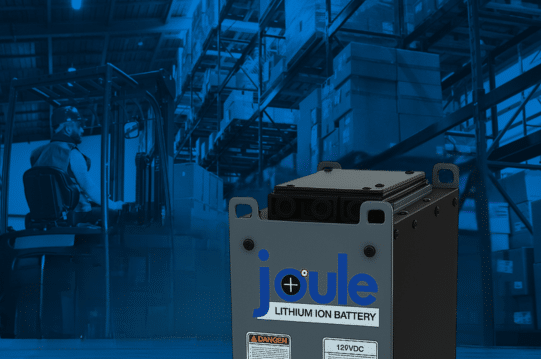
Lithium forklift batteries represent a newer generation of battery technology in the material handling industry. These batteries use lithium ion batteries that are more energy dense than lead-acid alternatives, allowing them to deliver more power in a smaller footprint.
A lithium ion forklift battery is sealed, which eliminates the need for watering or acid maintenance. This design improves safety and simplifies daily operations for the forklift operator.
Lithium forklift batteries are especially well suited for multi shift operations because they support fast charging and opportunity charged use. Unlike lead-acid batteries, lithium batteries do not require long cooling periods after charging.
Lithium chemistries vary, which is why it is important to choose a battery that has been properly tested and approved. UL listing and manufacturer validation play an important role in ensuring long-term battery performance and safety.
How Forklift Battery Usage Impacts Battery Life
Battery life is often measured in charging cycles. A charging cycle represents one full discharge and recharge of the battery.
A well-maintained lead-acid battery typically lasts between 1,000 and 1,500 charging cycles. A lithium ion forklift battery often lasts between 2,000 and 3,000 cycles, depending on usage patterns and charging behavior.
Usage becomes especially important in operations that rely on electric forklifts across multiple shifts. Lead-acid batteries require long charging times, often around eight hours, followed by an additional cooling period before the battery can be used again.
Because of this, a single forklift may require two or three lead-acid batteries to support continuous operation. This increases costs related to batteries, labor, battery swap equipment, and floor space.
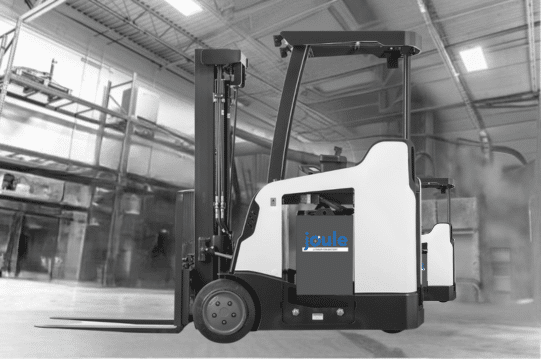
Lithium forklift batteries change this equation. Charging times are typically one to two hours, and no cooling period is required. With opportunity charged practices, a single lithium battery can power one forklift across all shifts.
The general guideline is simple. If the forklift will be idle for five minutes or more, plug it into a forklift battery charger. This practice keeps the battery at an optimal state of charge without damaging battery life.
Charging Times, Opportunity Charging, and Fleet Efficiency
Charging behavior has a direct impact on battery life and energy efficiency. Lead-acid batteries must be fully charged in one continuous cycle. Partial charging can shorten battery life and reduce performance.
Lithium forklift batteries are designed for frequent, short charging sessions. Opportunity charged use allows forklifts to stay in service longer without battery swaps. This improves forklift fleet availability and reduces downtime.
Fast charging also simplifies infrastructure. Fewer batteries and fewer charging stations are needed, which can free up valuable warehouse space and reduce capital expenses.
Over time, reduced charging times and improved energy efficiency contribute to lower operating costs, especially in facilities with large forklift fleets.
Forklift Battery Maintenance Requirements
Maintenance is one of the most overlooked factors when selecting a battery for forklift use. Proper care directly affects battery performance and lifespan.
Lead-acid batteries require daily and weekly maintenance. Water levels must be checked. Acid residue must be cleaned. Safety procedures must be followed to prevent exposure to sulfuric acid and fumes.
This maintenance requires trained personnel and dedicated time. When labor and process costs are added up, the lower purchase price of lead-acid batteries is often offset by ongoing maintenance expenses.
Lithium forklift batteries require little to no routine maintenance. Most include an internal battery management system that monitors voltage, temperature, and charging cycles. This system helps keep cells balanced and protects the battery from misuse.
Because there is no battery swap process, operations also eliminate the need for spare batteries, changing equipment, and storage areas.
Battery Performance, Safety, and Forklift Operators
Battery performance directly impacts the forklift operator. Lead-acid batteries experience voltage drop as they discharge, which can reduce lift speed and travel performance near the end of a shift.
Lithium forklift batteries deliver consistent power until nearly empty. This allows forklifts to perform the same way throughout the shift, improving productivity and operator confidence.
Safety is another key consideration. Lead-acid batteries involve acid exposure, fumes, and heavy battery swaps. Lithium batteries remove these risks, creating a safer working environment.
Energy Efficiency and Long-Term Operating Costs
Energy efficiency plays a growing role in forklift battery selection. Lithium ion batteries convert more input power into usable energy and generate less heat during charging.
Many operations see meaningful reductions in electricity usage after switching to lithium forklift batteries. Over the life of the battery, these savings can be substantial.
Improved energy efficiency also reduces strain on electrical systems and supports sustainability goals without sacrificing performance.
Choosing the Right Forklift Battery for Your Operation
Selecting the right electric forklift battery requires a clear understanding of how your operation runs. Key factors to evaluate include:
- Number of forklifts in the fleet
- Shift structure and duration
- Available charging windows
- Load weights and duty cycles
- Space and infrastructure constraints
There is no single best type of battery for every operation. However, facilities running multiple shifts, high utilization, or limited space often benefit most from lithium forklift batteries.
Final Considerations Before You Buy
Forklift batteries are a long-term investment. Battery type, usage patterns, charging behavior, and maintenance all play a role in determining true cost and performance.
Understanding these factors upfront allows you to choose a battery for forklift use that aligns with your operational goals and budget. Cutting corners at the purchase stage often leads to higher costs later.
If you want to see how lithium forklift batteries can improve your forklift fleet, reaching out to an experienced provider is a smart next step. Revel Industrial Batteries can help evaluate your operation and determine whether lithium technology is the right fit for your equipment and usage demands.